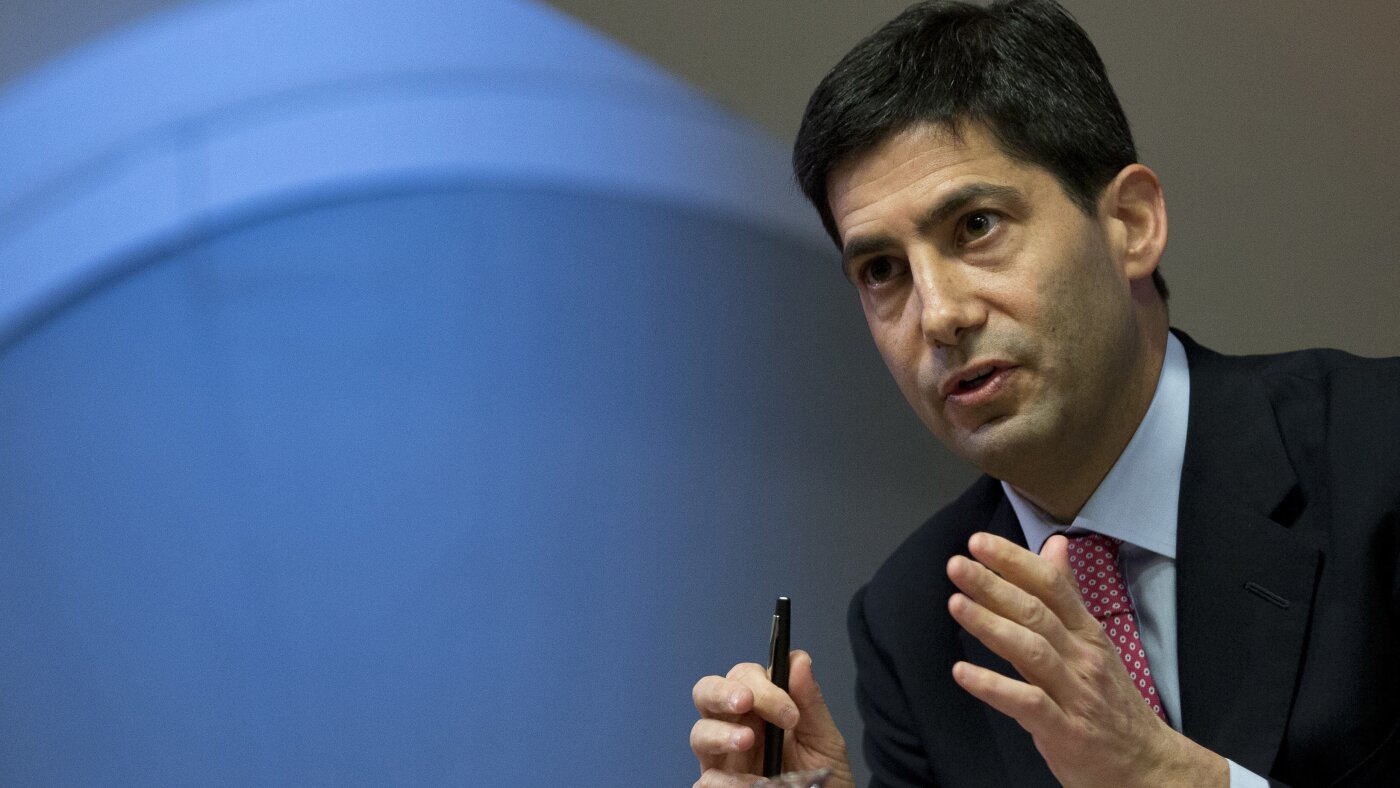
Trump Taps Kevin Warsh for Fed Chair Amid Senate Gridlock: A Deep Dive into the Nomination and Its Challenges
In a significant move that sent ripples through Washington and financial markets, President Donald Trump officially announced his intent to nominate Kevin Warsh as the next Chair of the Federal Reserve. This pivotal decision sets the stage for a high-stakes confirmation battle in the U.S. Senate, as the administration seeks to install its preferred candidate at the helm of the nation's central bank. The nomination of Warsh, a figure with a distinguished background in economic policy and central banking, comes at a time when the Federal Reserve's independence is under intense scrutiny, particularly from within the Senate itself.
The role of Fed Chair is arguably one of the most critical economic positions globally, influencing everything from interest rates and inflation to employment and the stability of the financial system. President Trump's past criticisms of the Fed's monetary policy, often advocating for lower interest rates, underscore the administration's desire for a leader who aligns with its economic vision. However, the path to confirmation for Kevin Warsh is anything but clear, mired in a unique form of Senate gridlock stemming from an unrelated investigation involving the current Chairman, Jerome Powell. This article explores the details of the nomination, Warsh's qualifications, and the formidable obstacles that lie ahead as Trump nominates Warsh to lead the Fed.
The Stakes Are High: Why the Fed Chair Matters More Than Ever
The Federal Reserve, often referred to as the "banker's bank," wields immense power over the U.S. economy and, by extension, global financial markets. Its primary mandates are to foster maximum employment and maintain price stability. The Fed Chair, as its public face and primary policymaker, guides the institution's direction on interest rates, quantitative easing, and financial regulation. These decisions have tangible effects on the everyday lives of Americans, influencing mortgage rates, business investment, and the cost of living.
Under President Trump, the relationship between the White House and the Federal Reserve has been notably tense. The President has repeatedly expressed dissatisfaction with the Fed's interest rate policies, arguing that higher rates hindered economic growth. This pressure from the executive branch raises crucial questions about the Fed's cherished independence—a principle considered vital for sound, non-political economic stewardship. Any nominee for the Fed Chair position must navigate these complex expectations, balancing the need for economic stability with political realities and maintaining the institution's credibility.
For investors, businesses, and consumers, the appointment of a new Fed Chair signals potential shifts in monetary policy. A change in leadership can lead to market volatility as participants adjust their expectations for future interest rate hikes or cuts. Therefore, the Senate's confirmation process is not just a political spectacle; it's a critical review of a candidate's economic philosophy, experience, and temperament to lead one of the world's most powerful financial institutions.
Who is Kevin Warsh? A Look at the Nominee's Profile
Kevin Warsh brings a robust resume to the table, positioning him as a serious contender for the Fed Chair. His background blends significant government service, central banking experience, and private sector engagement, making him a multifaceted candidate. Warsh previously served as a Federal Reserve Governor from 2006 to 2011, having been appointed by President George W. Bush. During his tenure, he played a critical role in the Fed's response to the 2008 financial crisis, offering unique insights into the mechanics of financial market instability and recovery efforts.
Before his time at the Fed, Warsh was an economic advisor in the George W. Bush administration, further solidifying his credentials in economic policymaking at the highest levels. His academic pursuits include a role as the Shepard Family Distinguished Visiting Fellow in Economics at the Hoover Institution and a lecturer at the Stanford Graduate School of Business. He also brings private sector experience as a Partner at Duquesne Family Office, a New York investment firm founded by Stanley Druckenmiller, a legendary hedge fund manager. This blend of experience suggests a deep understanding of both theoretical economics and practical market realities.
Observers of Warsh's career speculate that his approach to monetary policy might lean towards a more hawkish stance, prioritizing inflation control and a methodical unwinding of the Fed's balance sheet, a contrast to some of the more dovish tendencies seen in recent years. This perspective aligns with a desire for greater fiscal discipline and a return to more conventional monetary tools. However, his experience during a crisis suggests adaptability. To learn more about his background and potential impact, delve into Who Is Kevin Warsh? Trump's Controversial Pick for Federal Reserve.
Senate Showdown: Tillis's Stance and the Powell Probe
While Warsh's qualifications are evident, his nomination faces an immediate and unusual hurdle in the Senate. Republican Senator Thom Tillis of North Carolina has declared his intent to block the nomination, not due to any objection to Warsh himself, but as leverage in an unrelated matter: a criminal investigation by the Department of Justice (DOJ) into current Fed Chairman Jerome Powell. Senator Tillis firmly believes that the DOJ's inquiry, reportedly based on Powell's committee testimony, constitutes unwarranted political interference in the independence of the Federal Reserve.
Tillis's position is clear: "Protecting the independence of the Federal Reserve from political interference or legal intimidation is non-negotiable." He has vowed to oppose the confirmation of any Federal Reserve nominee, including for the Chairman position, until the DOJ's inquiry into Chairman Powell is fully and transparently resolved. This stance creates a significant roadblock, as a single senator can often hold up nominations, particularly for high-profile positions requiring substantial bipartisan support for quick passage.
The controversy surrounding Chairman Powell's investigation remains opaque, with details scarce. However, its impact on Warsh's nomination is undeniable. This is not merely a procedural delay; it’s a principled stand by a senator concerned about potential precedent-setting interference in the operations of a crucial, independent government body. The gridlock highlights the delicate balance between executive appointments, legislative oversight, and the imperative to insulate the Fed from political pressures. For more detailed insights into this specific challenge, explore Warsh's Fed Chair Nomination Halted by Tillis Over Powell Probe.
Navigating the Confirmation Gauntlet: Challenges and Prospects
The path to confirmation for Kevin Warsh is fraught with challenges. Assuming Senator Tillis's hold is eventually resolved, the nomination will still need to clear the Senate Banking Committee before proceeding to a full Senate vote. Committee hearings would involve rigorous questioning on Warsh's economic philosophy, his views on monetary policy tools, financial regulation, and his commitment to the Fed's independence. Senators would scrutinize his past statements, particularly those from his previous tenure as a Fed Governor during a period of economic upheaval.
What to Watch For in a Fed Chair Confirmation:
- Committee Questioning: Pay close attention to questions from both sides of the aisle regarding inflation targeting, interest rate policy, the size of the Fed's balance sheet, and his stance on financial stability regulations.
- Bipartisan Support: While the President's party typically rallies behind a nominee, securing bipartisan votes is often crucial, especially if the Senate majority is slim or if a nominee is seen as controversial.
- Market Reactions: Financial markets will closely track the confirmation process, looking for clues on potential monetary policy shifts. Significant movements in bond yields or equity markets could indicate how investors perceive Warsh's likely policy approach.
- Statements from Key Senators: Beyond the Banking Committee, the public statements of influential senators, particularly those with a strong focus on economic policy, can signal the level of opposition or support the nominee might face on the floor.
- The Broader Political Climate: The political landscape, including upcoming elections and other high-profile legislative battles, can influence the speed and contentious nature of the confirmation process.
Should Warsh ultimately be confirmed, he would serve a four-year term as Chairman and concurrently begin a 14-year term on the Fed's Board of Governors. This long-term board appointment underscores the profound influence a Fed Chair can have on the institution's trajectory, far beyond their immediate chairmanship. The resolution of Chairman Powell's situation and the subsequent fate of the Trump nominates Warsh decision will be a defining moment for the future of U.S. monetary policy and the integrity of its central bank.
In conclusion, President Trump's nomination of Kevin Warsh for Fed Chair signals a clear intent to reshape the leadership of the Federal Reserve. Warsh's extensive background in central banking and economic policy makes him a formidable candidate. However, the path to his confirmation is complicated by an unprecedented Senate hold stemming from an investigation into the current Chairman, Jerome Powell. This unique political standoff underscores the critical importance of the Federal Reserve's independence and sets the stage for a compelling legislative battle that will have far-reaching implications for the U.S. economy and financial markets. The resolution of this gridlock will not only determine the next leader of the Fed but also send a powerful message about the insulation of crucial institutions from political pressures.